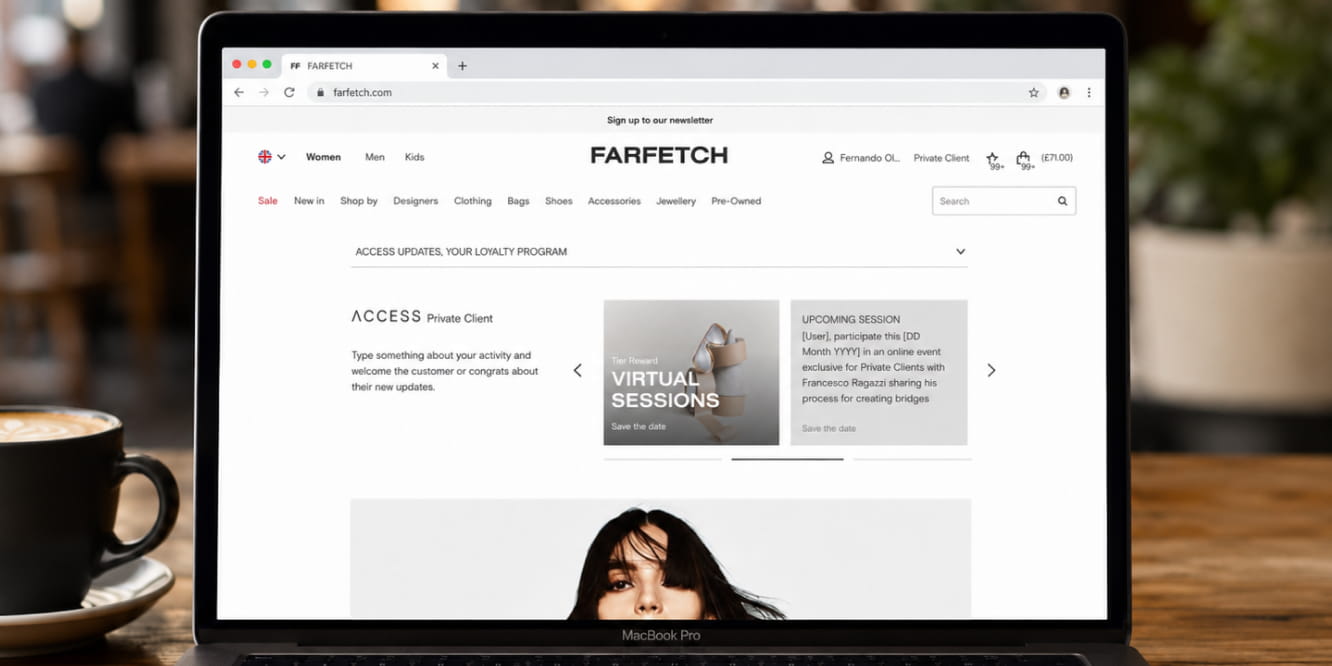
Loyalty program.
I helped Farfetch Loyalty Program not feel like a side UX, but at the same time tailored, unique, gamified, and transparent. From scratch my team was able to re-design, launch and evolve the end-to-end experience.
Designing premium digital experiences for luxury fashion customers, connecting loyalty, private client service, concierge moments, internal tooling, and product execution.
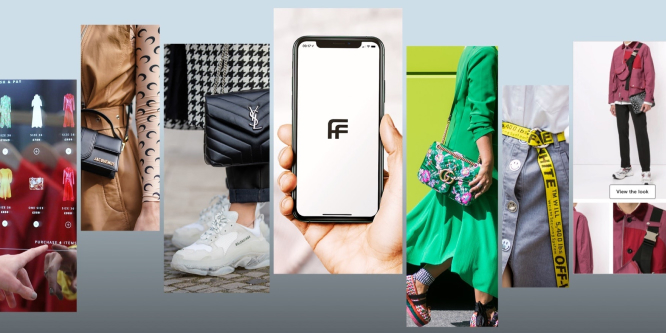
Farfetch is a mix of fashion, product, logistics, partnerships, brand, editorial, and top customer service. The customer experience it's a network of high expectations.
The top 1% generates 27% of total TGMV. I focused on designing deep, meaningful & memorable experiences for the highest tier in ACCESS, focusing on engagement and growth.
Ways of working / thinking during my time here.
Most times started the work wearing a service designer hat: what's around the benefits, the "top tier" lifestyle, also the teams supporting them, what about product and commercial teams translating business goals, and engineers into performance and behavior.
The goal was support the framing of the most important problems where expectation, quality, and operations were breaking apart, share insights and strategize with current goals.
Instead of jumping into UI, I translated observations into opportunity areas: benefit awareness, emotional value of exclusivity, continuity between service and shopping, confidence at purchase moments, and the operational cost of fragmented tools.
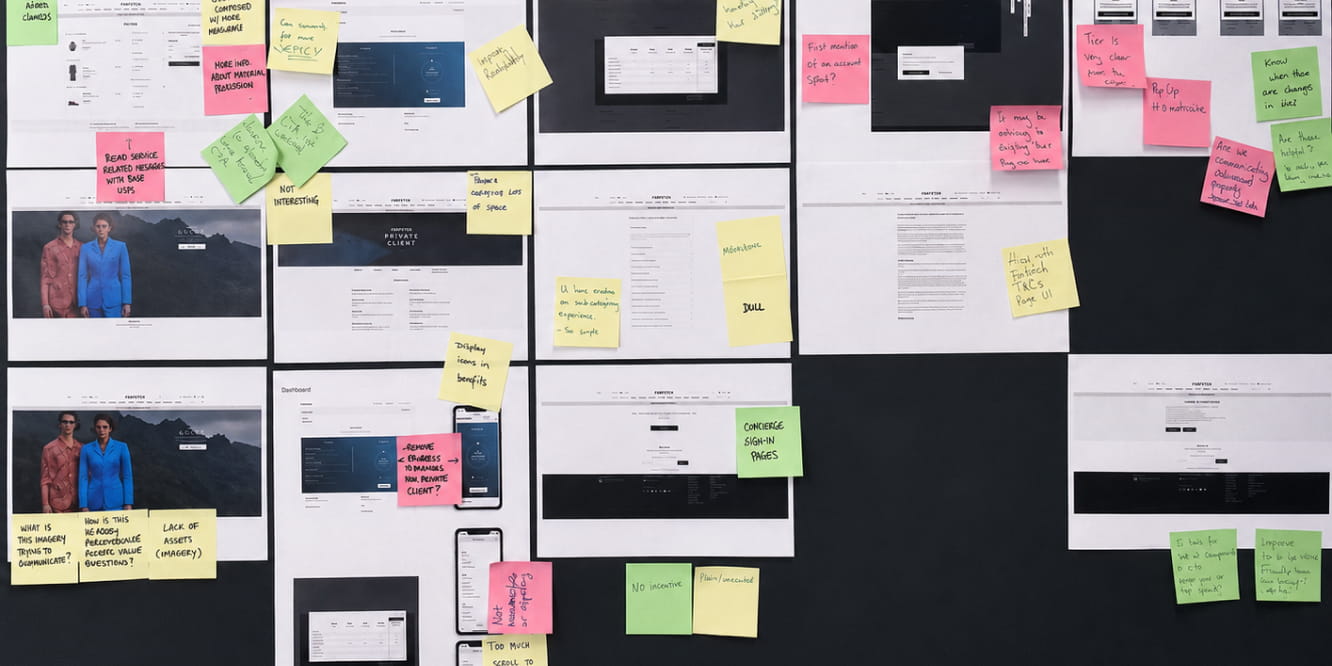
For complex luxury experiences, the prototype was not only a design artifact. It was a negotiation tool: a way to expose product logic, content gaps, technical constraints, service assumptions, and the type of experience Farfetch wanted to stand behind.
The work needed both operational logics and luxurious experiences. I would present the page with fragments of flows, interaction states, hierarchy decisions, component usage, and visual explorations that show how the experience from all perspectives became clear, elegant, and reusable.
Premium ideas still need to survive implementation. For initiatives like video commerce and private client journeys, the delivery work meant collaborating around platform limitations, iOS behavior, component availability, content operations, and the sequencing of a safe rollout.
Validate outputs with business value. Apply tactics and metrics where needed: measure feature or app onboarding, engagement, conversion, retention; also operations and service efficiency, using our best-in-class experimentation resources, user feedback and tracking data. Share learnings and identify new scenarios and opportunities.
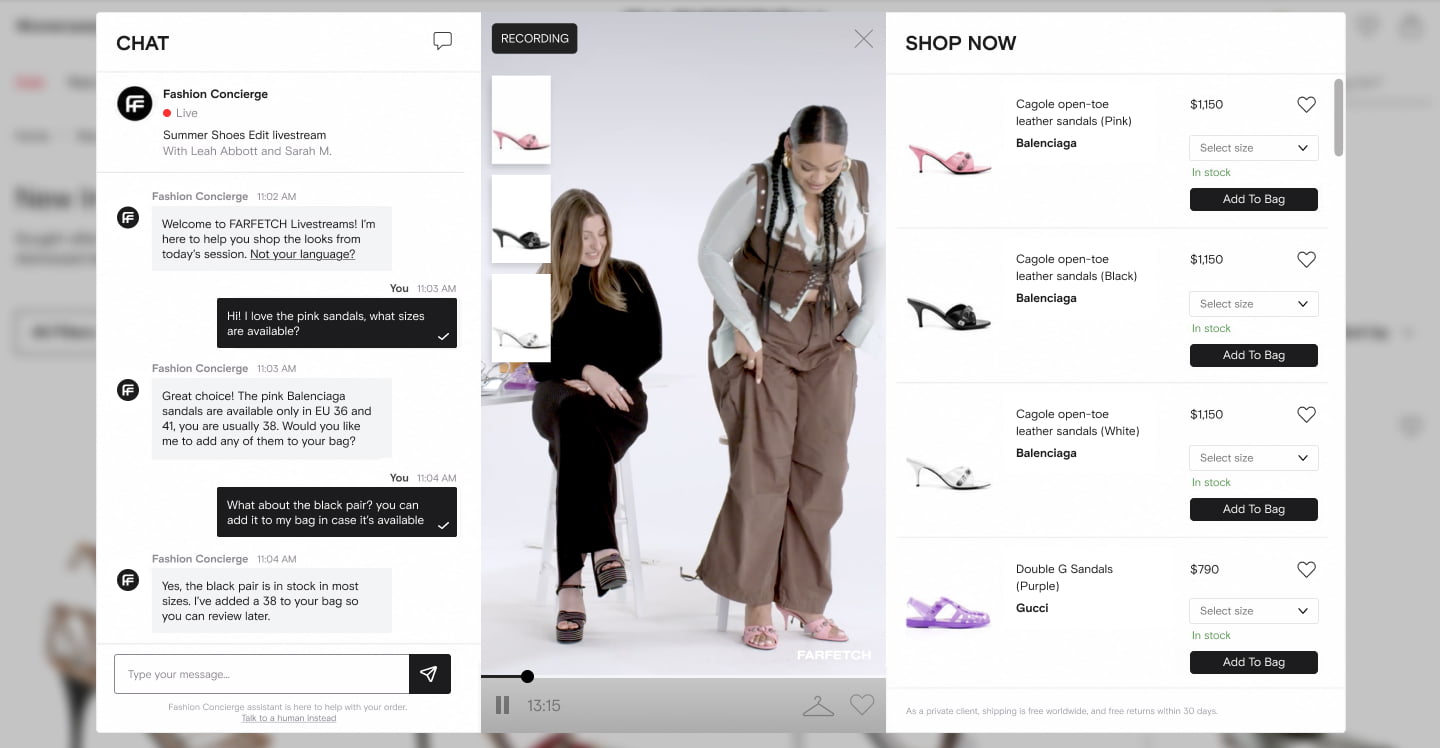
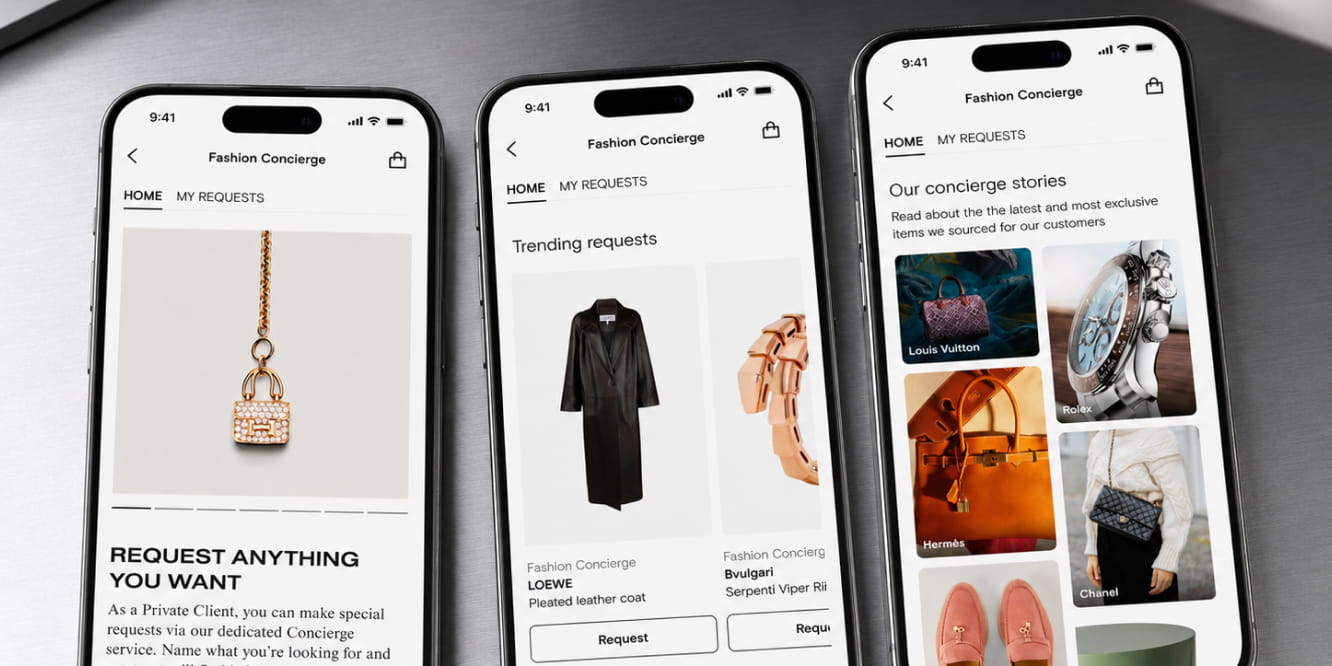
I worked across loyalty, Private Client, Fashion Concierge, livestreaming, internal tooling, mobile and desktop experiences, design practice.
The work moved from product strategy to execution: framing opportunities, aligning teams, shaping UX/UI, improving workflows, and helping design team deliver value across the organization.
I helped Farfetch Loyalty Program not feel like a side UX, but at the same time tailored, unique, gamified, and transparent. From scratch my team was able to re-design, launch and evolve the end-to-end experience.
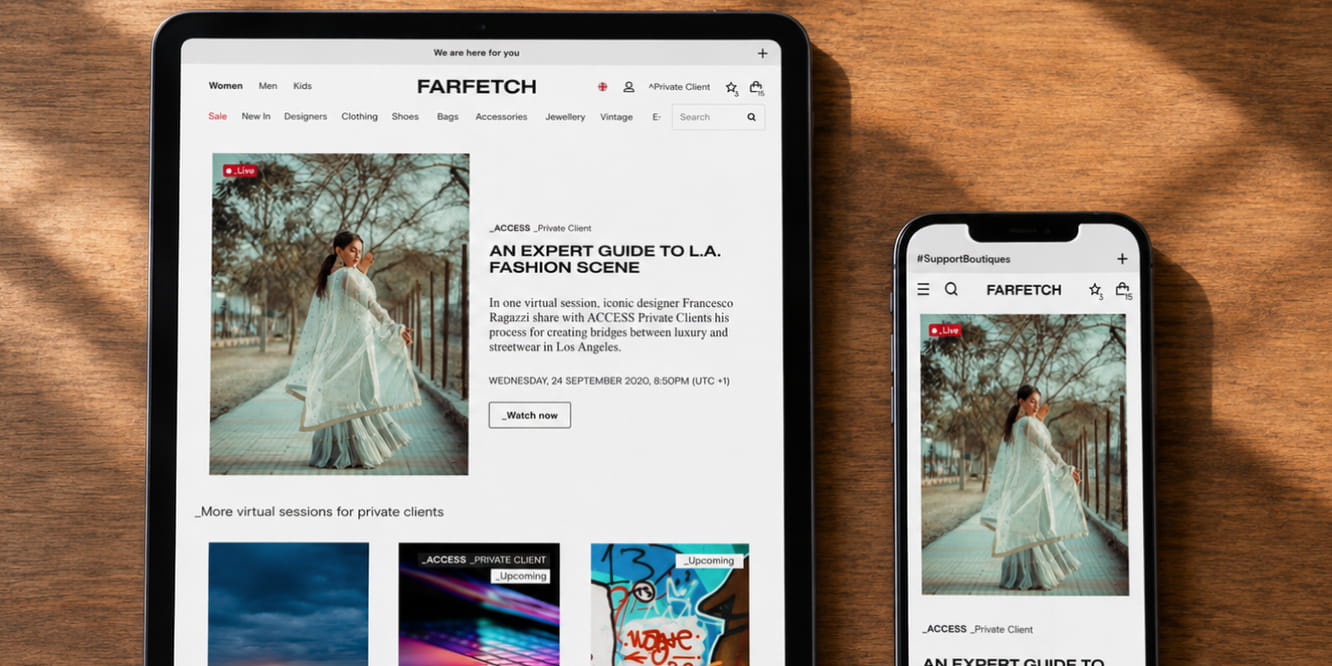
The strongest ACCESS benefits should feel clear, continuous, cross-channels and exciting: tier points, fast shipping, Fashion Concierge, exclusives pieces, personal styling, offline events, post-purchase service.
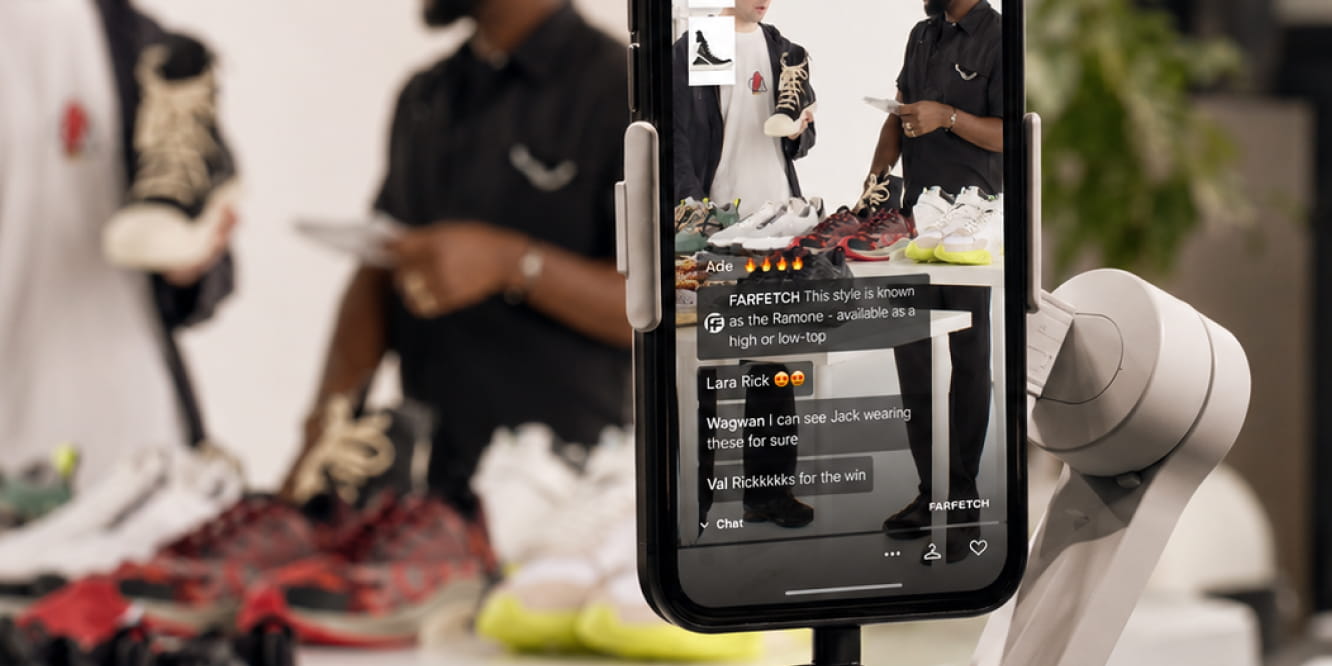
During pandemic, we framed an opportunity to build a livestream feature combining AI, stylists and our platform, with agentic interactions and shopping, filling the need for personalized unique experiences.
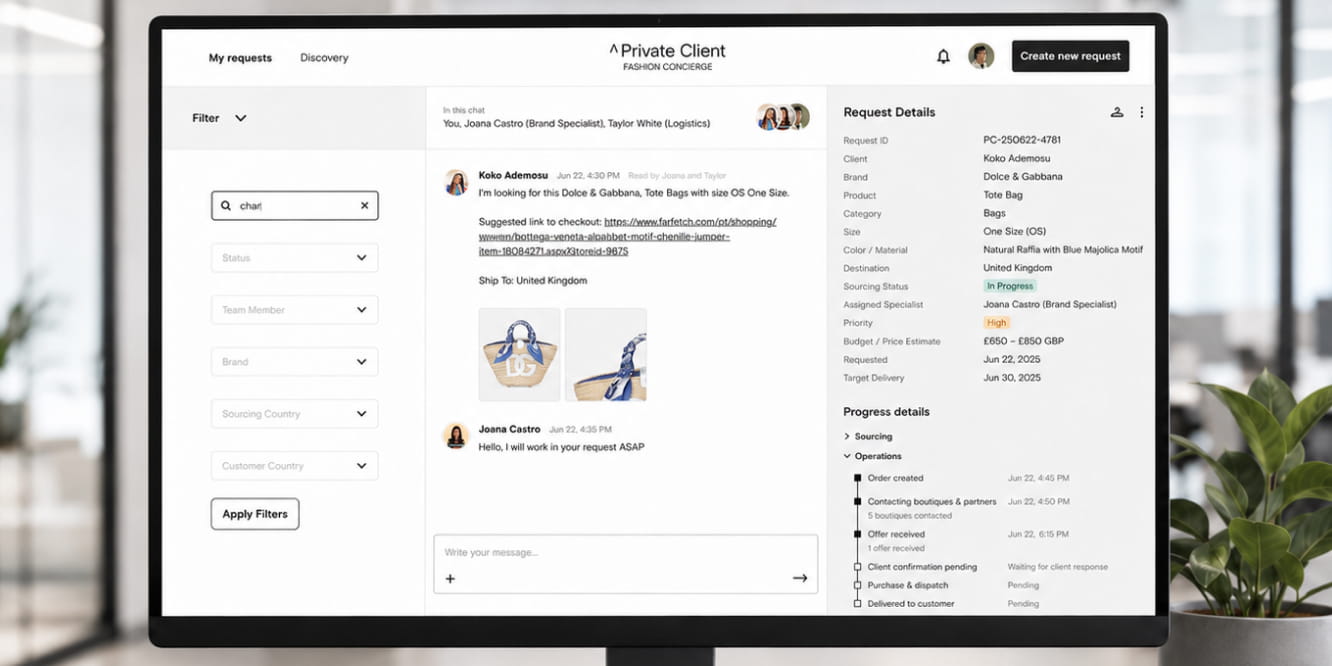
Top-notch experience and personalisation depends on internal operations. Better tools can reduce friction for teams and improve the coherence of what customers expect and receive.
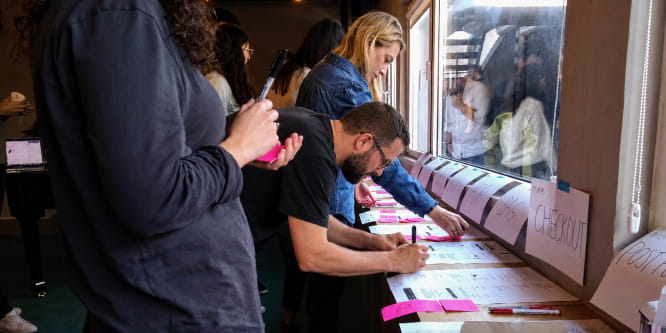
Acted as a Practice Ambassador for the Lisbon office. I helped the team make design work more visible, supported mapping the stages and players of our process, encourage tailored strategies for collaboration between teams.
Projects should end by sharing to stakeholders what changed: user behavior, confidence, clarity, engagement, conversion, quality, right after launch.